

Top 10 Indian Wedding Rituals and How to Plan the Perfect Venue for Each

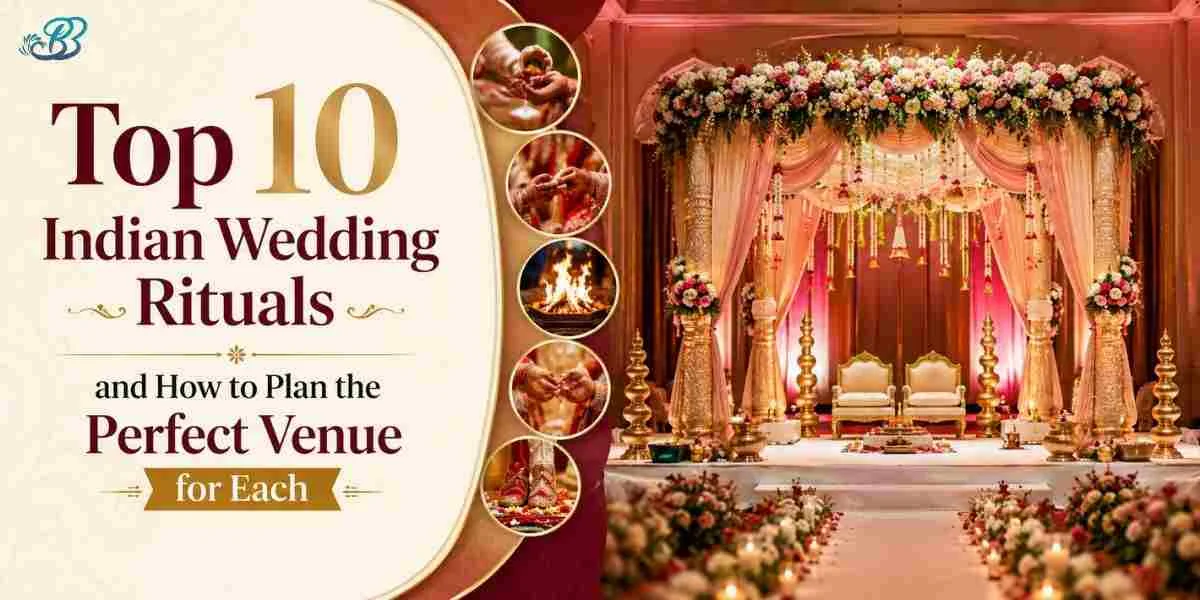
Indian weddings are more than a single ceremony. They bring together meaningful traditions, family bonding, sacred customs, music, food, and plenty of emotional moments. If you are planning a celebration, choosing the right venue can make each function easier to manage. Couples looking for wedding banquet halls can consider the size, layout, privacy, facilities, and atmosphere needed for each ceremony rather than choosing a venue only for the wedding day.
The exact rituals differ between communities and regions. A North Indian wedding may look very different from a Bengali, Gujarati, Maharashtrian, or South Indian wedding, for example. Still, several ceremonies commonly appear in Hindu weddings. This guide explains 10 Indian wedding rituals, their significance, and the type of venue that can work well for each.
Understanding Indian Wedding Rituals
Indian wedding rituals often connect the couple, their families, and their wider community. Many Hindu marriage traditions have roots in long-standing religious and cultural practices, while modern families often adapt the ceremonies to suit their customs and practical needs.
The Vedic Heritage Portal identifies marriage as one of the traditional samskaras described in Grihya Sutra literature. Its material on Vedic marriage also highlights Saptapadi as an important part of the ceremony.
So, when planning Indian wedding functions and ceremonies, the goal is not to copy a single formula. It is to understand the meaning behind the rituals and create enough space for families and guests to participate comfortably.
1. Roka Ceremony
The Roka is commonly associated with the formal beginning of a marriage arrangement in many North Indian families. It often brings both families together to acknowledge the relationship and celebrate the upcoming marriage.
Because Roka functions are usually smaller than the main wedding, a compact banquet space can work well. Look for a venue with comfortable seating, a small stage or backdrop area, and enough room for family photographs.
If you expect only close relatives and friends, there is little reason to book a venue designed for hundreds of guests. A well-planned smaller space can feel much warmer and more personal.
2. Engagement or Sagai Ceremony
The engagement ceremony formally celebrates the couple’s commitment before marriage. Families may exchange rings, blessings, gifts, or greetings depending on their traditions.
For Indian wedding ceremony planning, the engagement venue should provide a comfortable stage area because photographs and introductions often become an important part of the celebration. Easy guest movement also matters when the function includes food service.
A banquet hall with flexible seating can make the event feel organised without making a relatively intimate gathering look unnecessarily large.
Also Read: Wedding Invitation Card Trends 2026
3. Mehendi Ceremony
Mehendi is one of the most recognisable pre wedding rituals in Indian weddings. It usually combines traditional mehendi application with music, conversation, food, and celebration.
The venue needs a different setup from a formal wedding ceremony. Guests should have enough space to sit comfortably while the mehendi artists work. Good lighting also helps artists and makes photography easier.
4. Haldi Ceremony
The Haldi ceremony is traditionally associated with applying turmeric paste to the bride and groom before the wedding. Families often turn it into a cheerful and colourful celebration.
This function requires practical planning. Turmeric can stain clothing and surfaces, so ask the venue about its policies before finalising the booking. You should also consider flooring, cleaning arrangements, guest seating, and space for photography.
A venue that looks beautiful but does not accommodate the practical side of the ceremony can create unnecessary stress. In wedding planning, glamorous décor is nice. Easy cleanup is nicer.
5. Sangeet Ceremony
The Sangeet is a celebration centred around music, dance, and performances. Families and friends may prepare choreographed performances for the couple, making the atmosphere energetic and highly interactive.
For a Sangeet, the venue needs enough open space for dancing and performances. Check the stage size, sound arrangements, seating layout, and visibility from different parts of the hall.
A banquet hall with a suitable stage and good guest circulation can make performances easier to enjoy. If music is central to your event, discuss sound and timing arrangements with the venue before booking.
6. Baraat
The Baraat is the groom’s wedding procession and is especially prominent in many North Indian wedding traditions. It can include music, dancing, family members, and friends accompanying the groom to the wedding venue.
This makes the venue’s entrance particularly important. Before booking, check where the procession can arrive, whether there is sufficient space outside, and how guests can move from the entrance into the main ceremony area.
For couples comparing wedding banquet halls in Delhi, accessibility and entry arrangements deserve as much attention as the interior décor.
7. Jaimala or Varmala
Jaimala, also called Varmala, is the exchange of floral garlands between the bride and groom. It is often one of the most photographed moments of the wedding.
The stage should therefore provide clear visibility for guests and photographers. Consider the height, stage depth, lighting, décor, and space available for the couple and immediate family.
A well-designed mandap or stage should look attractive without becoming so crowded that the ceremony feels difficult to manage.
8. Hindu Marriage Ceremony and Sacred Fire
The central Hindu marriage ceremony can include several rituals led by a Pandit, with Sanskrit mantras and offerings made according to the family’s tradition. A sacred fire, or Agni, may form an important part of the ceremony.
The exact procedure varies between traditions, so families should discuss the ceremony with their Pandit rather than assuming every Hindu wedding follows exactly the same sequence.
From a venue perspective, safety and layout matter. The Mandap should have enough surrounding space for the couple, family members, officiant, photographers, and guests. The venue should also be informed about the planned ceremony arrangements in advance.
The Vedic Heritage Portal’s material on Vedic ritual traditions confirms the longstanding significance of fire-based ritual practices in Vedic traditions.
9. Saptapadi or Seven Steps
Saptapadi is one of the most significant elements associated with Hindu marriage ceremonies. The couple takes seven steps together, with the ritual carrying symbolic importance for their married life.
The Vedic Heritage Portal specifically discusses Saptapadi in the context of Vedic marriage and records the traditional expression associated with the seventh step, highlighting companionship between husband and wife.
Because this is a central ceremonial moment, the Mandap should provide enough room for the couple and the officiant to perform the ritual comfortably. Guests should also have a clear view without crowding the ceremony area.
10. Vidaai and Post-Wedding Traditions
Vidaai marks an emotional transition as the bride leaves her parental home after the wedding. Families may follow different customs, blessings, and farewell practices depending on their community and family traditions.
Unlike the main ceremony, Vidaai is less about arranging a formal programme and more about creating a smooth transition for the family. Clear access to the venue entrance and sufficient space for family members can make this emotional moment easier to manage.
Some families may also follow post-wedding traditions such as Griha Pravesh after the couple reaches their new home. These customs vary considerably, so the family should follow its own traditions rather than treating one practice as universal.
Also Read: Latest Banquet Hall Decoration Trends For Weddings 2026
How to Choose a Venue for Indian Wedding Rituals
Once you understand the different ceremonies, venue selection becomes much easier. Instead of asking only whether a hall looks attractive, consider what each function actually requires.
1. Match the Venue to Guest Count
Roka and engagement functions may require less space than a wedding or Sangeet. Choose a hall that suits the expected attendance instead of paying for unused space.
2. Check the Layout
Look at the stage, Mandap area, dining arrangement, entrance, and guest movement. A flexible layout can support several functions during the wedding period.
3. Ask About Décor and Ritual Arrangements
Discuss Mandap decoration, floral décor, lighting, stage arrangements, and any religious requirements before confirming the booking.
4. Consider Accessibility
Guests may arrive from different parts of the city, so parking, road access, and convenient entry can influence the overall experience. This becomes particularly important for the Baraat and larger wedding functions.
5. Plan Each Ceremony Separately
One venue can host several functions, but each function may need a different setup. Mehendi may need comfortable seating, Sangeet needs performance space, and the main ceremony needs a suitable Mandap arrangement.
This is where Banquet Booking can help families approach venue selection more systematically. Rather than choosing a hall based only on photographs, compare venues according to the type of celebration, guest requirements, location, and facilities.
Why Venue Planning Matters for Indian Weddings
Indian weddings can involve several functions over multiple days. That means venue planning affects more than the wedding ceremony itself.
A suitable venue can make guest movement easier, simplify décor planning, support different seating arrangements, and create a comfortable setting for both formal rituals and joyful celebration.
Families searching for wedding banquet halls in Delhi should therefore consider the entire wedding schedule. A venue that works beautifully for the main ceremony may also need to accommodate Mehendi, Haldi, Sangeet, engagement events, or the reception.
You can also explore top banquet halls in Delhi when comparing venues for different wedding functions.
Plan Your Wedding Celebration with Banquet Booking
In an Indian wedding ceremony, you will come across several rituals representing couples’ love and their pledge of commitment, cultural heritage, family traditions, ancestral blessings, and joyous occasions. These include Roka, Mehendi Sangeet, Jaimala,, Saptapadi, to name but a few, among them Vivaah also. Every such occasion has a unique vibe and tangible aspects.
The term Indian wedding cannot be taken in a literal sense. Different regions and households have their own interpretations that lead to the creation of unique and varied festivities which, in their own way, are all very beautiful and different.
To keep things simple: understand your ancestors’ and family’s culture, then plan the function for the day around that culture and its physical needs. Then select a venue that can fit everything you plan to do in celebration with you. Planning well helps the couple to make some rituals that are important to them into memories they will carry with them for a lifetime, and the process remains pleasant for them at the same time.
Are you already thinking about planning the next event for your wedding ceremony? Reach out to Banquet Booking right away to search for the perfect venues and create the right ambiance for your event.
